NFL Same-Game Parlay Win Rate: What the Hold Percentage Really Tells You
 Available in US
Table of Contents
- The conversation that finally made me stop building four-leg parlays
- How a Same-Game Parlay actually works mechanically
- Real win rates on three-leg and four-leg NFL SGPs
- How correlation actually changes the price
- SGP hold versus straight-bet hold side by side
- Sizing parlay stakes if you are going to bet them anyway
The conversation that finally made me stop building four-leg parlays
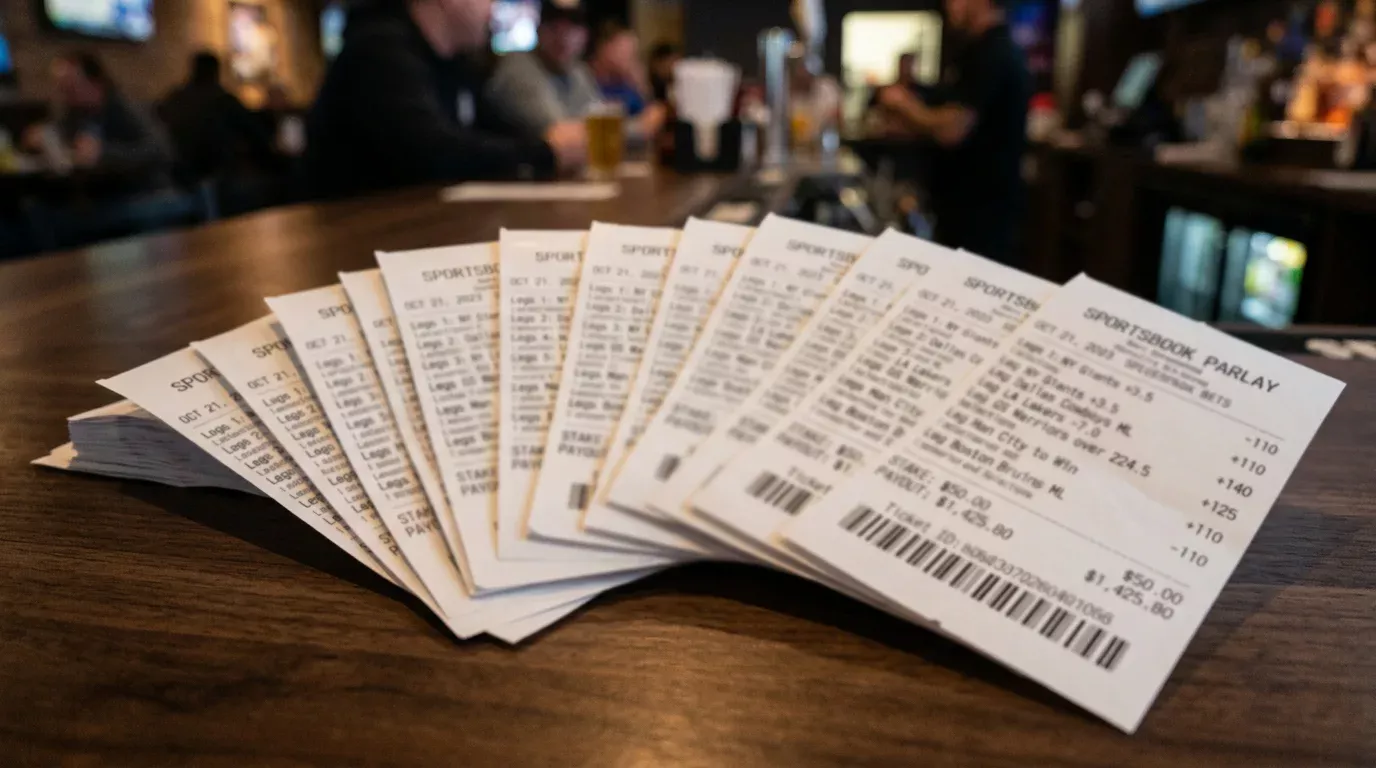
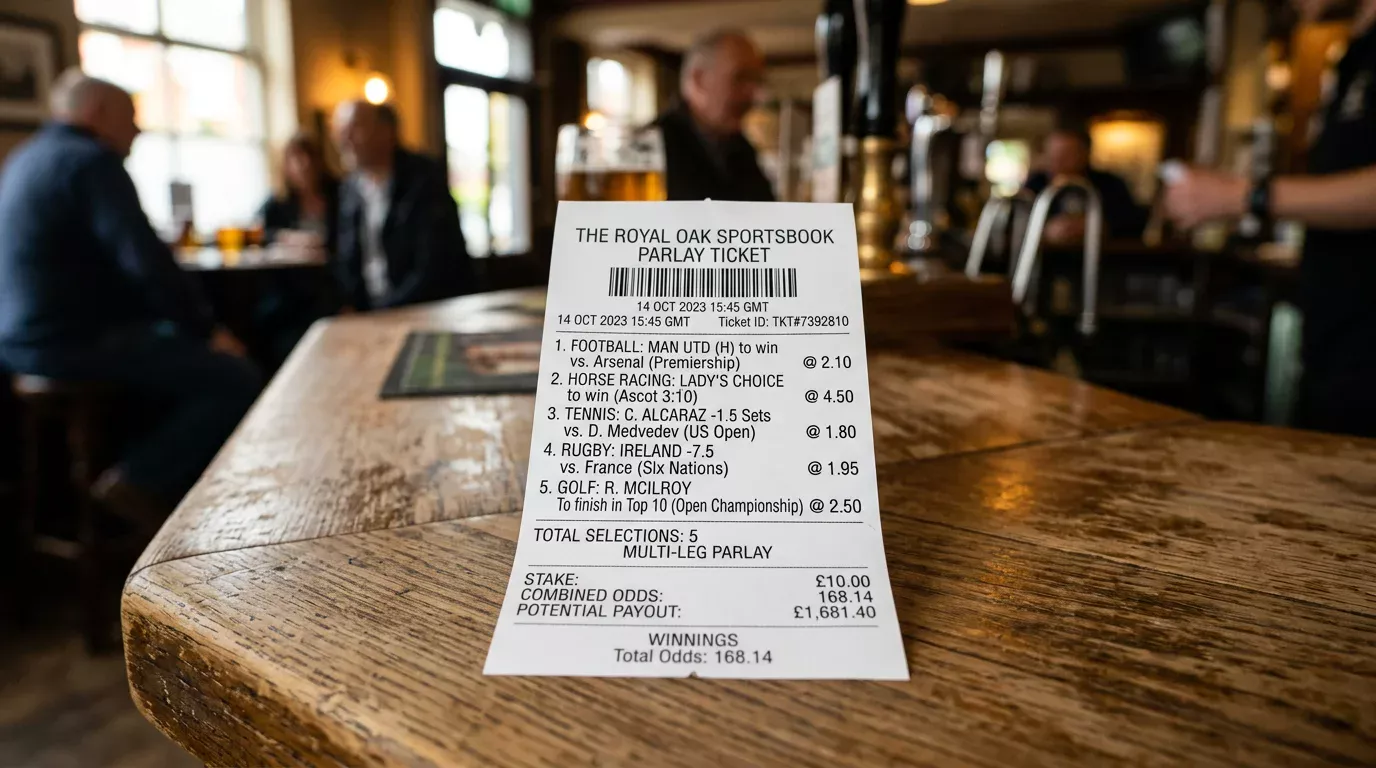
A few seasons back I was sitting in a coffee shop in Leeds with a trader who used to set NFL props for a UK book. He asked me to show him the last twenty parlays I had built. I scrolled through. He laughed, then he stopped laughing, then he told me the hold on my four-leg SGPs was probably running between 18 and 22%. I have not built a recreational four-leg SGP since. Not because parlays are illegal, immoral, or always foolish, but because the hold percentages on multi-leg products are the closest thing modern bookmaking has to a legal printing press, and most UK punters do not realise how steep the climb is.
NCPG data shows the share of US sports bettors placing parlay bets rose from 17% in 2018 to 30% by 2024. That growth happened because parlays feel exciting and the payouts look generous. The hold is what makes them generous to the book, not to you.
Add scoring legs with NFL anytime vs first TD scorer props.
How a Same-Game Parlay actually works mechanically
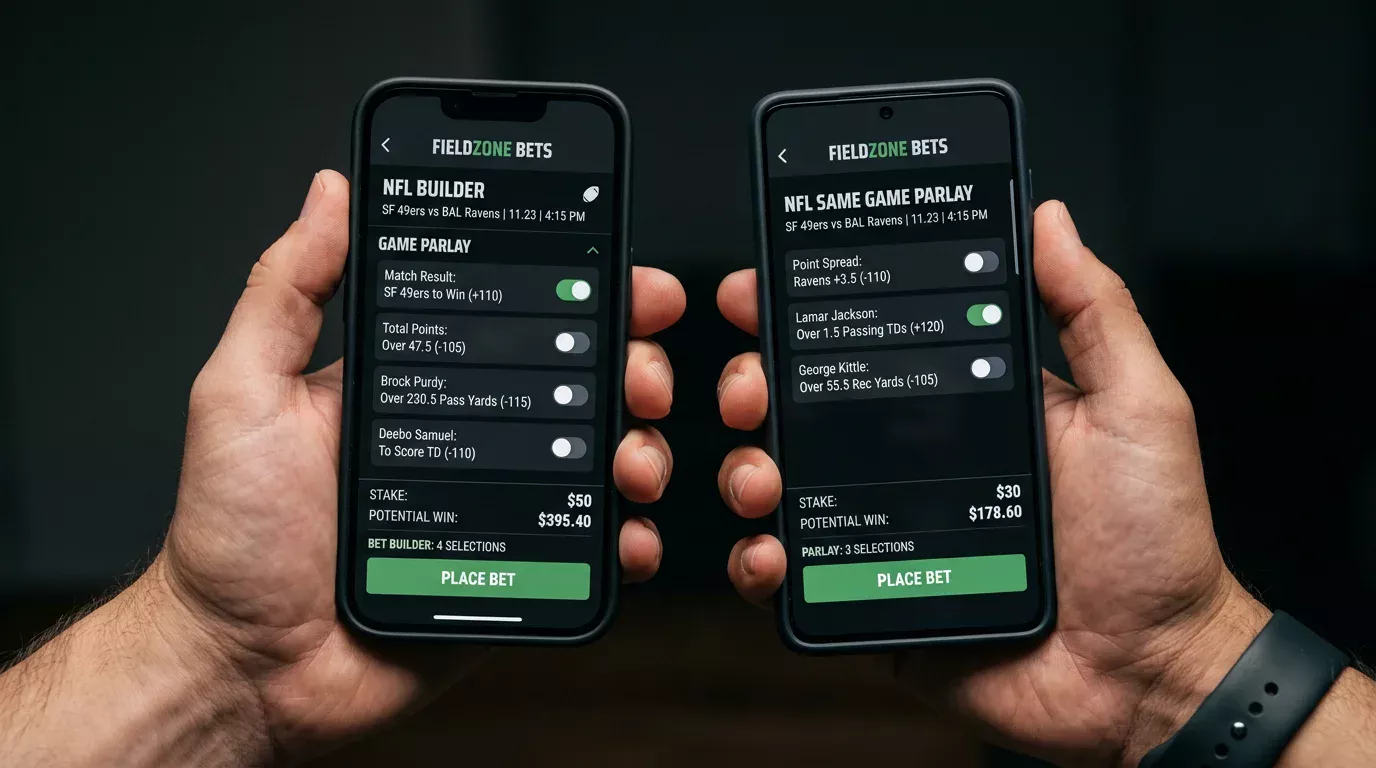
A Same-Game Parlay combines multiple bets from the same NFL game into a single ticket. Hit all legs, you win the combined price. Miss one, the whole ticket loses. The legs can be a spread, a total, player props, touchdown scorers, anytime touchdowns, passing yards – any combination the bookmaker’s engine allows.
The key technical wrinkle, and the source of all the confusion around SGP pricing, is correlation. Two events from the same game are rarely independent. If the Eagles win by 14, the total is more likely to go over. If Patrick Mahomes throws for 350 yards, Travis Kelce is more likely to have a long reception. The bookmaker’s pricing engine has to account for this correlation, and the way it does so creates the structural hold advantage. The combined price you see is not the simple multiplication of the individual prices – it has been adjusted, almost always against you, to reflect that the legs are not independent events.
Real win rates on three-leg and four-leg NFL SGPs
The win rate on a three-leg SGP depends entirely on the implied probabilities of the legs you have selected. A three-leg parlay where each leg is priced around 4/5 – about 55% implied – has a combined implied win probability of around 17%, before correlation adjustments. After the bookmaker’s hold, the actual long-run win rate sits closer to 14%. The combined fractional price you see at checkout might be 5/1 when the true price of those three legs should be closer to 6/1.
A four-leg SGP compounds the problem. Four 55% legs multiplied out give an implied probability of around 9%. The price you are offered at checkout might be 8/1 when a fair price would be closer to 10/1. That two-pip gap is the hold, and across thousands of similar four-leg tickets the bookmaker’s edge sits in the 18-22% range – far above the roughly 4.5% hold on a straight spread bet at 10/11 each way.
Optimove research shows 60% of NFL bettors stake between £11 and £100 per wager. Most SGP volume falls in the lower end of that range, which is exactly where the higher hold matters most relative to a punter’s expected return. Small stakes on high-hold products bleed slowly.
How correlation actually changes the price
The interesting part of SGP pricing – interesting from a maths point of view, not a profit point of view – is how the bookmaker handles correlated legs. Consider a parlay that combines “Bills moneyline” with “Bills total team points over 24.5”. Those two outcomes are heavily correlated. If the Bills win, they probably scored a lot. The bookmaker knows this and will shorten the combined price meaningfully below what a naive multiplication would suggest.
Now consider the opposite: “Bills win” plus “under 41 total points”. Those are anti-correlated. Bills winning is more likely in higher-scoring games, so combining them with an under makes both legs less likely than naive multiplication assumes. The bookmaker will lengthen the price, but rarely by as much as the true anti-correlation warrants. This is where some SGP value occasionally exists – anti-correlated multi-leg constructions where the bookmaker has under-adjusted the combined price. The breakdown of how this evolved across UK books, including how NFL Bet Builder and Same-Game Parlay products compare on Flutter UK books, dives further into the operator side of this.
SGP hold versus straight-bet hold side by side
The cleanest way to see why SGPs are so profitable for the book is to compare them to straight bets on the same game. A two-way NFL spread bet at 10/11 each side carries an overround of around 105%, which is a hold of roughly 4.5%. That is the structural cost of betting straight markets at standard juice. You need to win 52.4% to break even.
A three-leg SGP at 5/1, where the fair price should be 6/1, carries an effective hold closer to 14%. A four-leg SGP at 10/1 where the fair price should be 14/1 sits closer to 22% hold. The break-even win rate on those products is not 52.4% – it is whatever the combined implied probability translates to once you include the hold. For a four-leg ticket at 22% hold, you need to win something like 11% of the time to break even on a product where the true win probability is closer to 9%. The gap is structural and it does not go away with skill.
Explore nfl sports betting stats for NFL parlay analysis.
Sizing parlay stakes if you are going to bet them anyway
I do still build the occasional SGP, usually for fun on a Monday-night marquee game. Three rules keep me from doing real damage to a bankroll. First, never more than 0.5% of bankroll on any single SGP. The variance is too high and the hold is too steep to size like a regular spread bet. The standard responsible-play data shows 66% of NFL bettors admit to having wagered more than they could afford – up sharply from 45% a year earlier – and parlay products are where that overstaking most often happens because the upside number is so visible.
Second, no more than three legs. The math on four-leg products is bad enough that I do not believe a recreational edge exists there for a UK punter. Three legs is the boundary where occasional correlation-aware value is theoretically possible.
Third, set a deposit limit before the week starts. UKGC tools make this trivial to do. The protection it offers is real, particularly when the temptation to “chase a parlay payout” appears in week 14 after a bad weekend.
What is the typical win rate on a 3-leg NFL Same-Game Parlay?
The actual long-run win rate on a three-leg SGP with legs priced around 4/5 each sits close to 14% after the bookmaker’s hold, against an implied probability of roughly 17% before adjustments. The exact figure depends on the legs you select and how the engine prices the correlation between them, but the structural hold of 12-16% on three-leg products is consistent across UK books.
Why do bookmakers love SGPs so much – is the hold higher than on straight spreads?
Substantially higher. A straight NFL spread bet at 10/11 each way carries a hold of roughly 4.5%. A three-leg SGP carries an effective hold of 12-16%, and a four-leg SGP often sits at 18-22%. That gap exists because the bookmaker’s pricing engine adjusts combined prices for correlation between legs, almost always in the book’s favour, and because casual punters do not run the comparison maths before pressing place bet.
Created by the ”nfl Sports Betting Stats” editorial team.